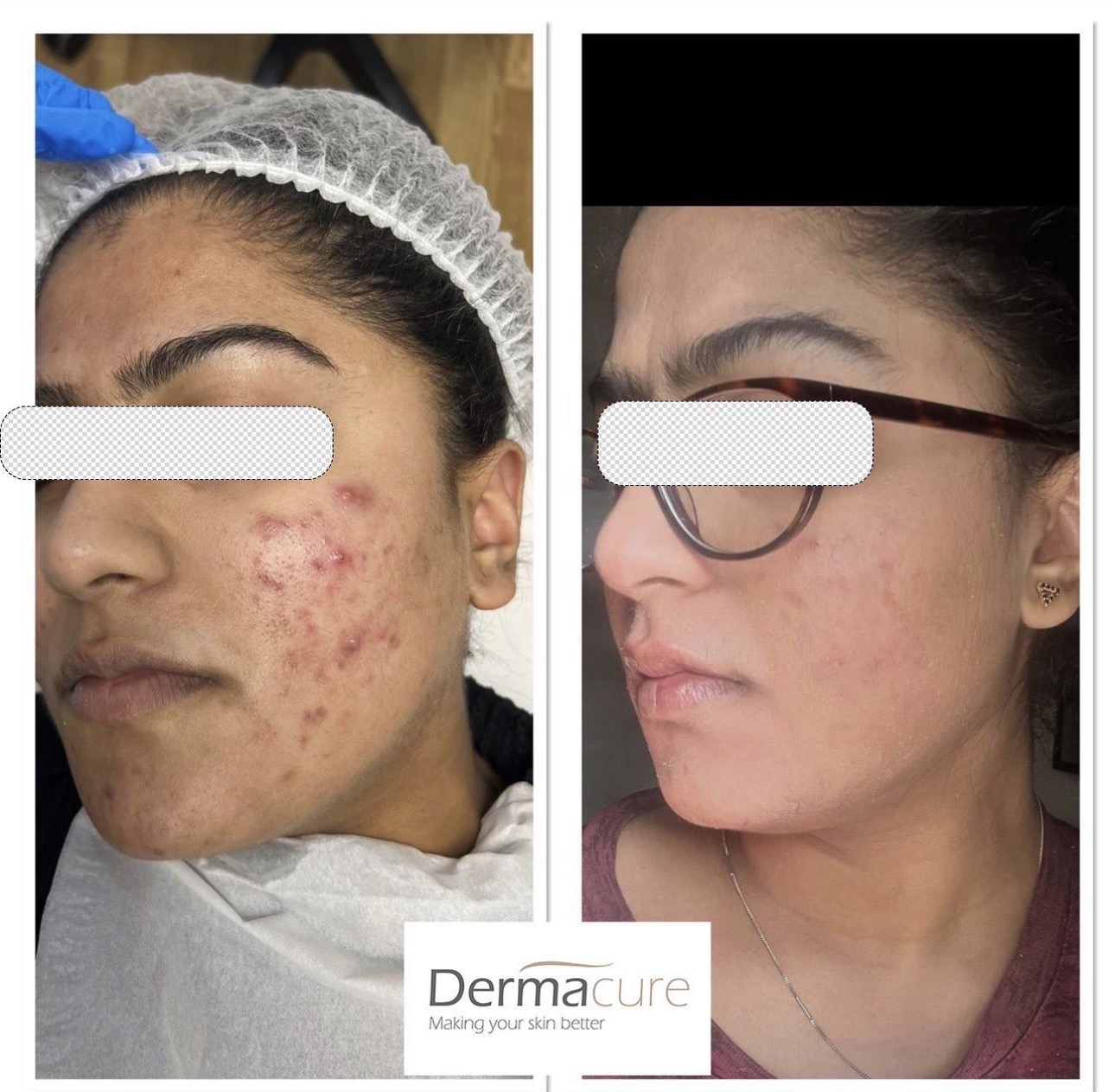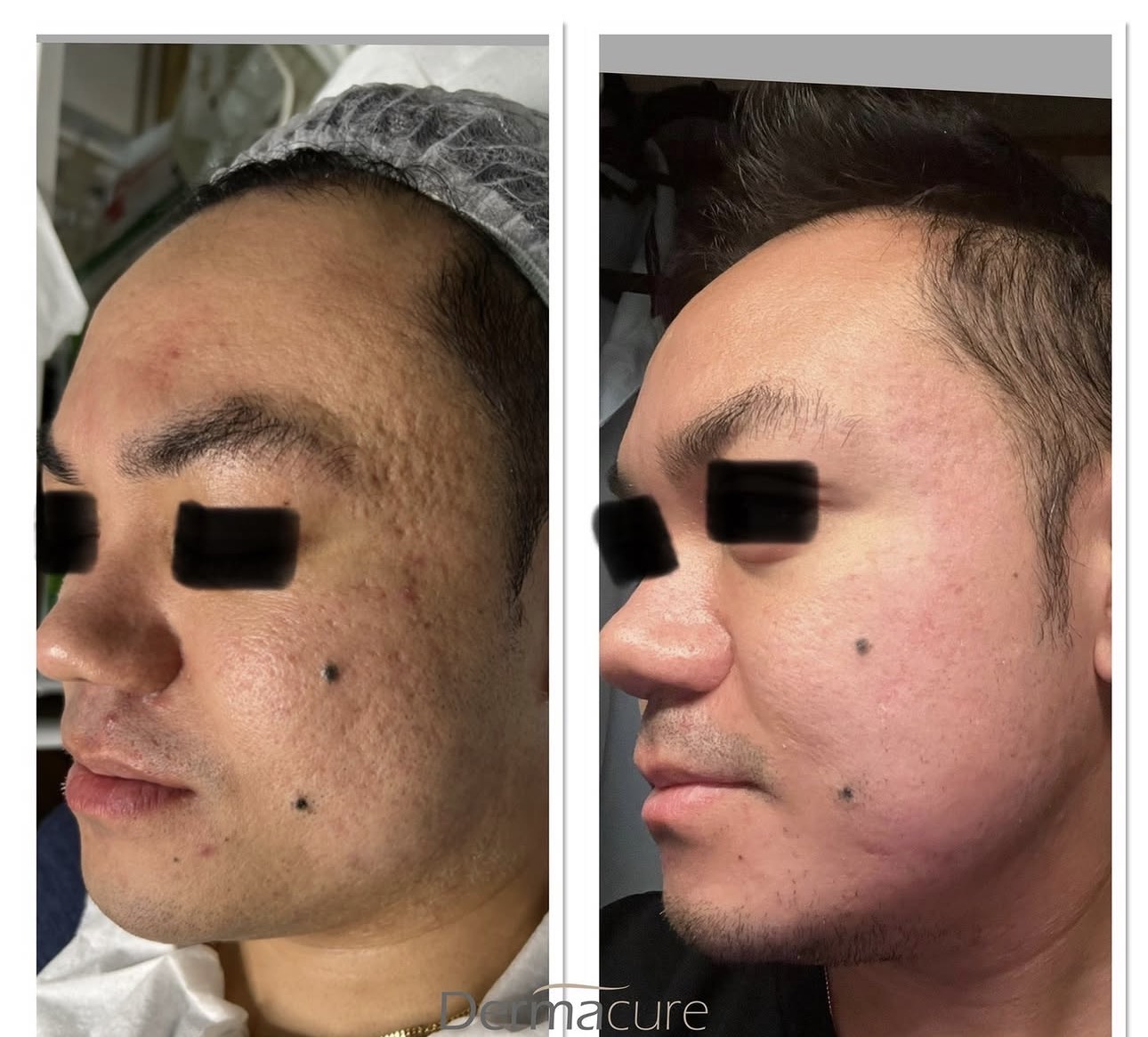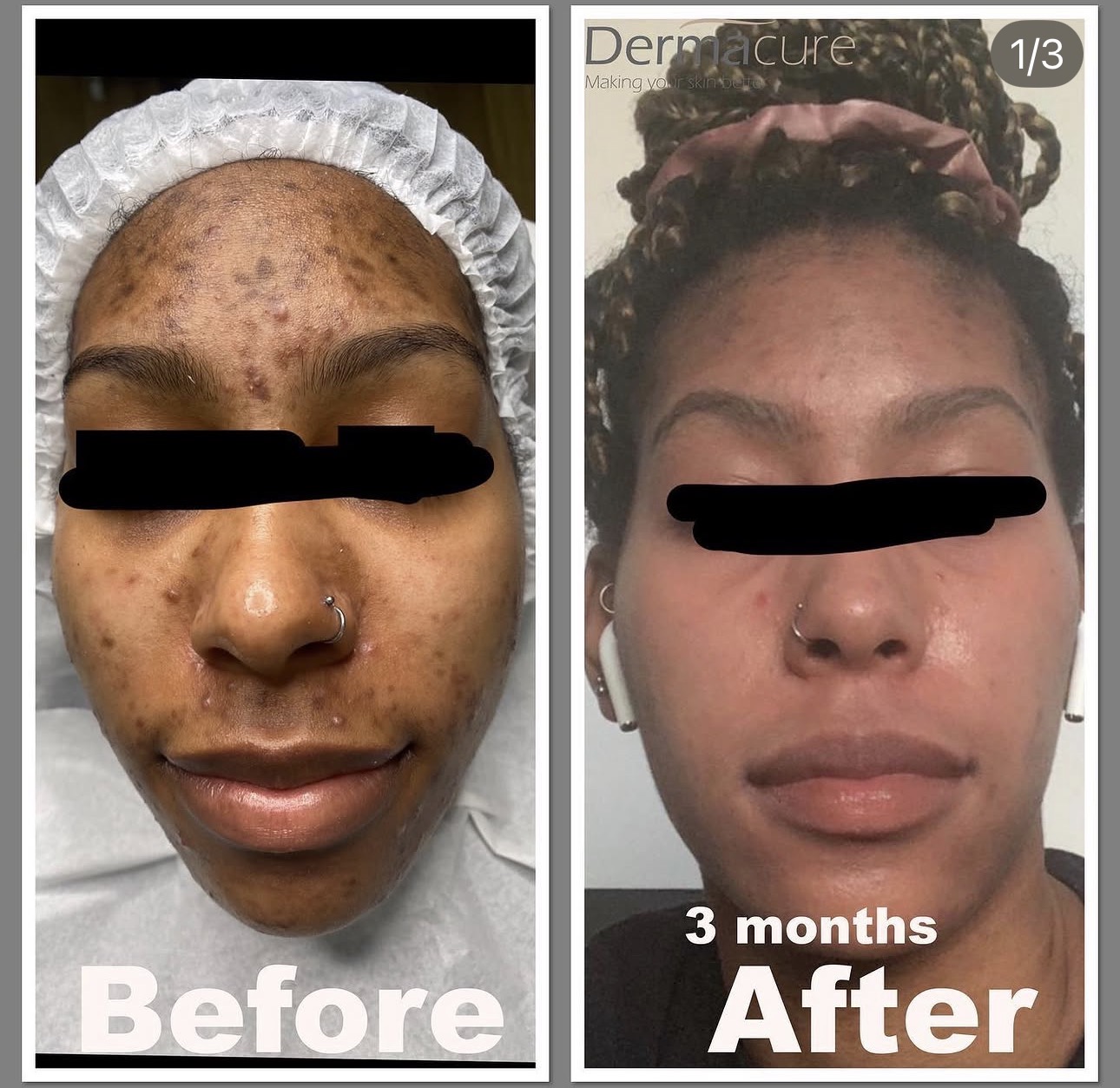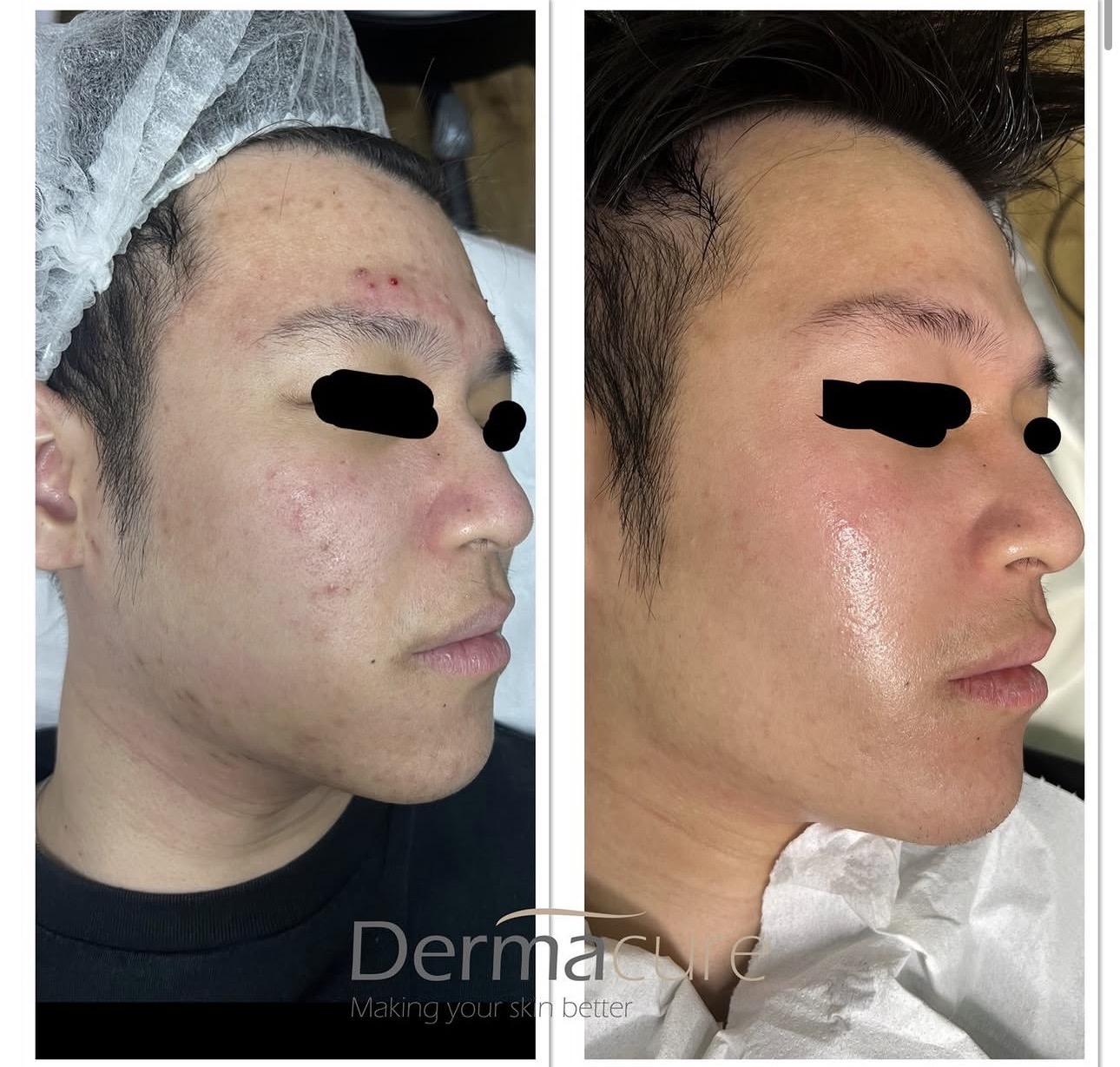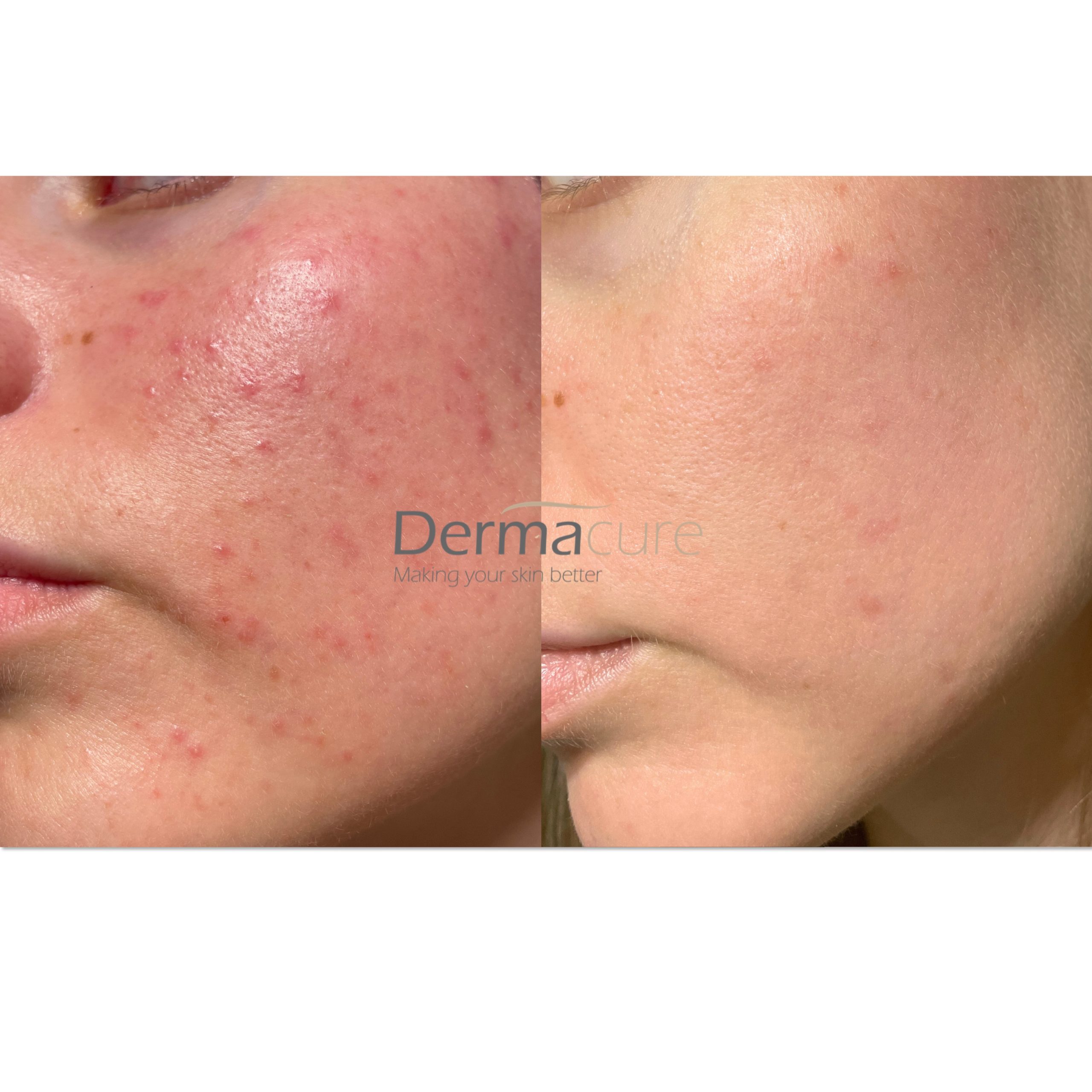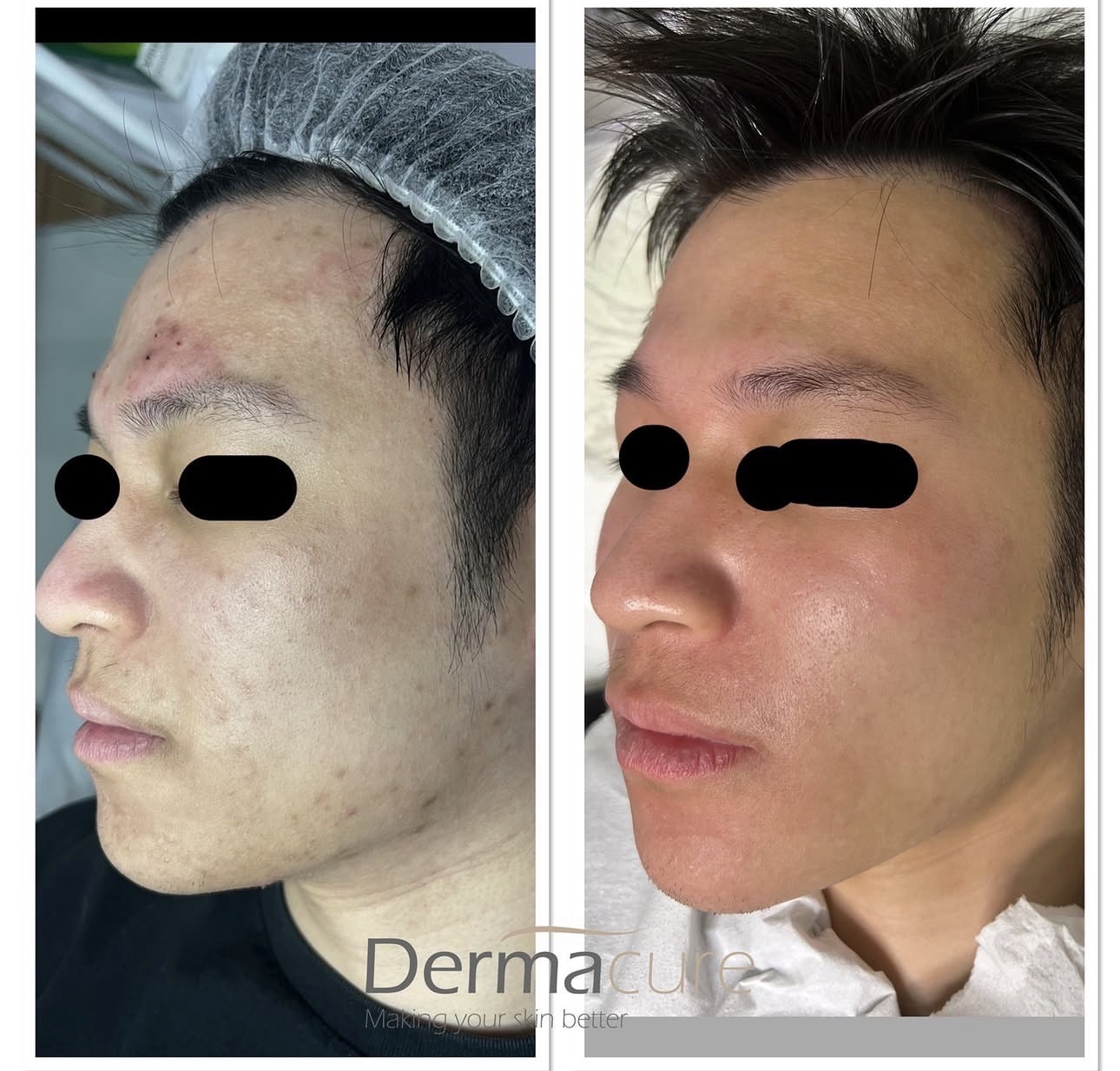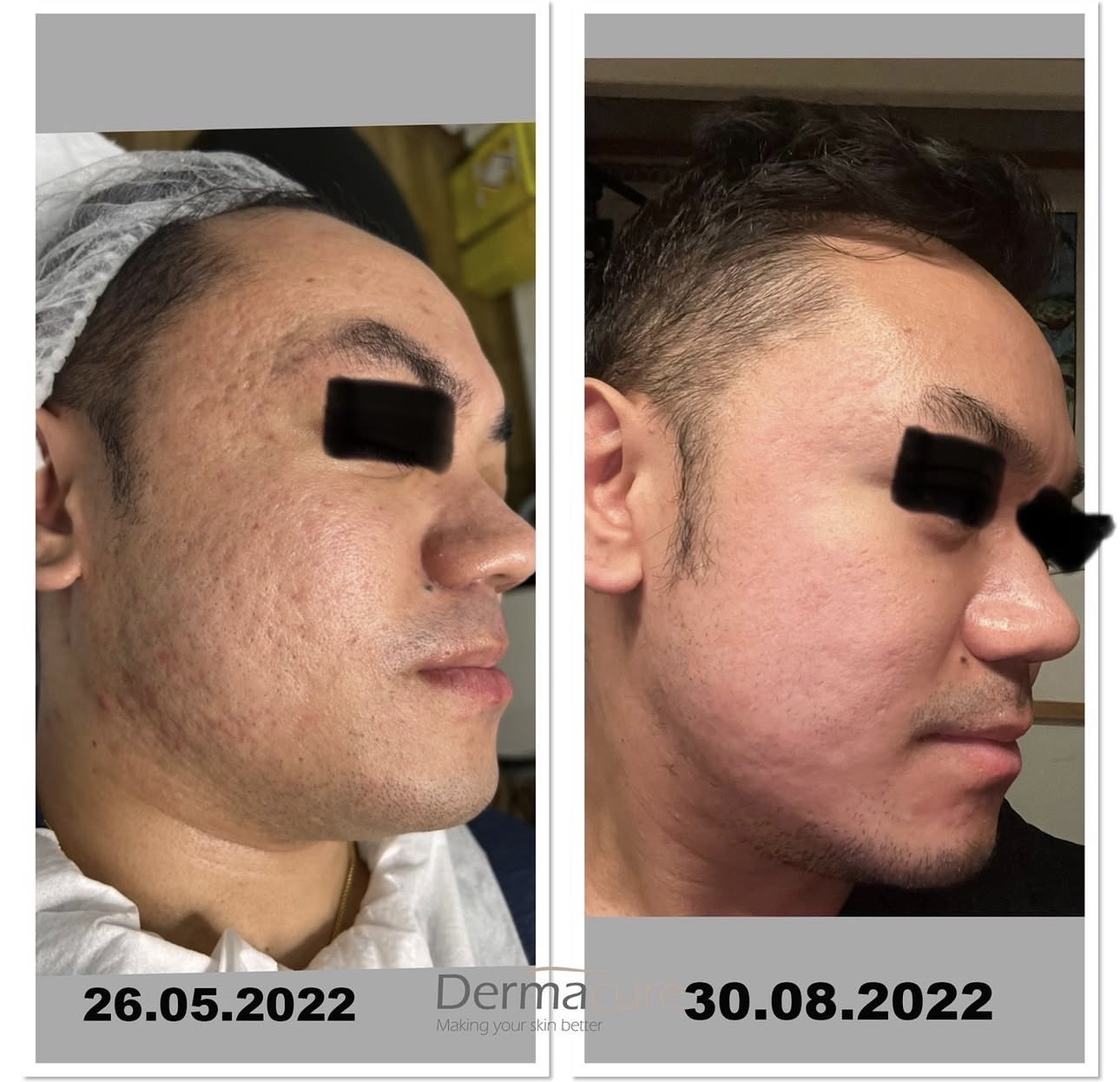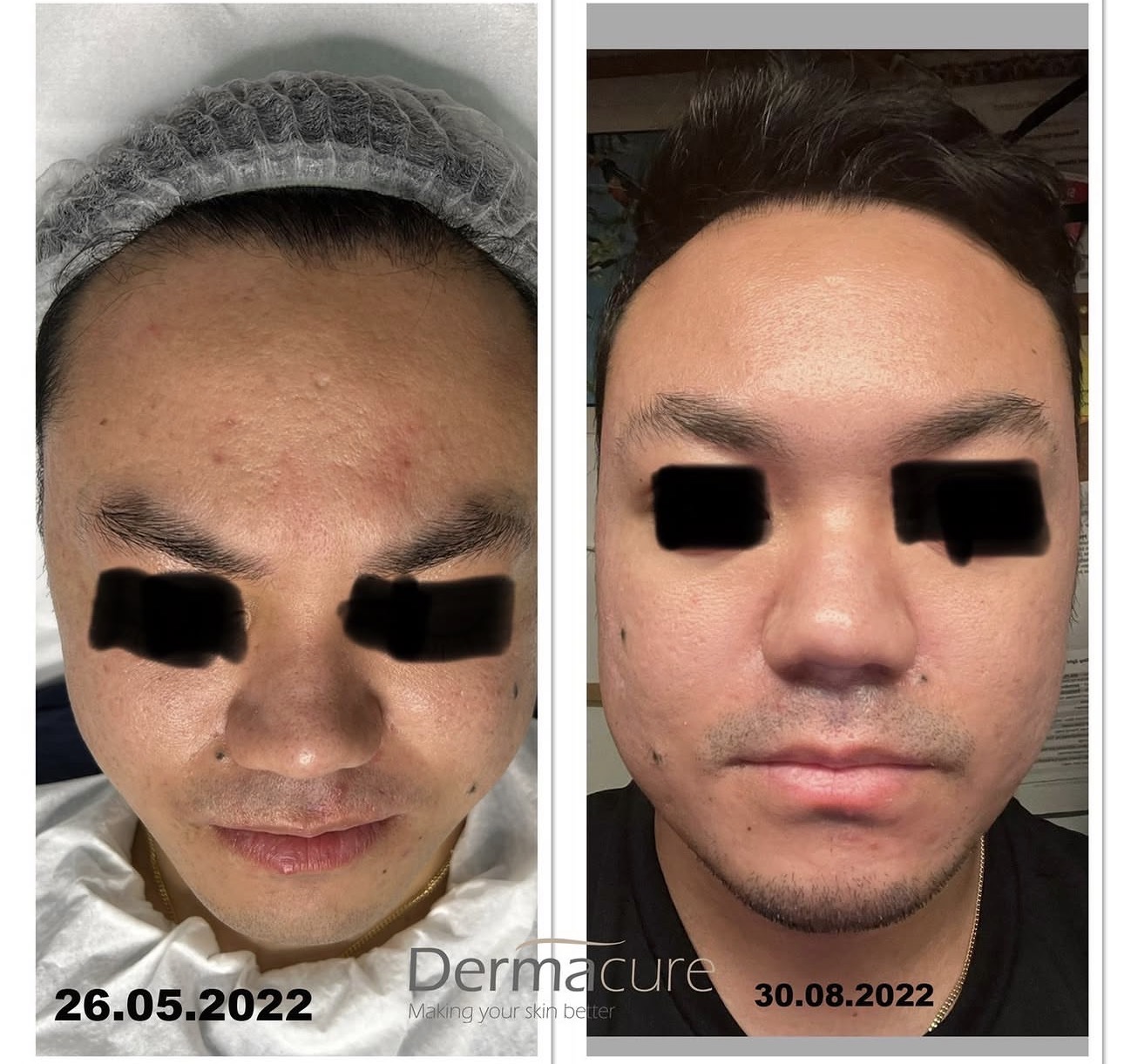
Acne Scars
What are Acne Scars?
Acne scars are permanent changes in the skin’s texture that develop after inflamed acne — such as cysts, nodules, and deep pimples — damages the tissue beneath the surface. At our Marylebone clinic in central London, we see acne scarring in patients of all ages, since it can persist for years, or even decades, after the original breakouts have cleared.
When a breakout penetrates deep into the skin, it triggers an inflammatory response as the body tries to heal the area. This healing process relies on collagen, the protein that gives skin its structure and firmness. The problem is that this healing rarely happens perfectly. Sometimes the body produces too little collagen in the affected area, leaving a sunken, pitted mark. Other times it produces too much, leaving a raised, thickened mark. Either way, the result is a permanent textural change — unlike the temporary redness or dark marks that often follow a breakout and fade naturally over weeks or months, true acne scarring does not resolve on its own without treatment.
Scarring severity depends on several factors: how deep and inflamed the original breakout was, how long it was left untreated, genetics, skin type, and even how the skin was handled during the active breakout (picking or squeezing spots significantly increases the risk of lasting acne scars).
If you’re searching for acne scar treatment in London, understanding your specific scar type is the first step to finding the right approach — which is exactly what we assess during your consultation at our Marylebone clinic.
What causes Acne leading to Acne Scars?
Understanding why acne is happening is the essential first step before any scar treatment can begin — which is exactly what we cover during your initial consultation at our Marylebone clinic. Acne rarely has just one cause, and identifying the right trigger changes what treatment actually works.
Common causes we discuss with patients include:
Hormonal acne — One of the most frequent triggers. Hormonal fluctuations, whether from puberty, the menstrual cycle, pregnancy, or conditions like PCOS, can increase oil production and lead to recurring breakouts, often along the jawline and chin.
Stress-related acne — Stress raises cortisol levels, which in turn can increase oil production and inflammation in the skin, often triggering breakouts or making existing acne worse.
Skincare and cleansing habits — Acne can also develop simply from incorrect or inconsistent cleansing, leaving oil, makeup, or environmental debris sitting on the skin and clogging pores over time.
Bacteria-related acne — This can sometimes be linked to previous treatments or products that disrupted the skin’s natural balance, allowing bacteria to multiply and trigger new breakouts.
Medication-induced acne — Certain medications can trigger or worsen acne as a side effect, which is why we always ask about current medications during consultation.
What causes Acne leading to Acne Scars?
Understanding why acne is happening is the essential first step before any scar treatment can begin — which is exactly what we cover during your initial consultation at our Marylebone clinic. Acne rarely has just one cause, and identifying the right trigger changes what treatment actually works.
Common causes we discuss with patients include:
Hormonal acne — One of the most frequent triggers. Hormonal fluctuations, whether from puberty, the menstrual cycle, pregnancy, or conditions like PCOS, can increase oil production and lead to recurring breakouts, often along the jawline and chin.
Stress-related acne — Stress raises cortisol levels, which in turn can increase oil production and inflammation in the skin, often triggering breakouts or making existing acne worse.
Skincare and cleansing habits — Acne can also develop simply from incorrect or inconsistent cleansing, leaving oil, makeup, or environmental debris sitting on the skin and clogging pores over time.
Bacteria-related acne — This can sometimes be linked to previous treatments or products that disrupted the skin’s natural balance, allowing bacteria to multiply and trigger new breakouts.
Medication-induced acne — Certain medications can trigger or worsen acne as a side effect, which is why we always ask about current medications during consultation.
Types of Scars
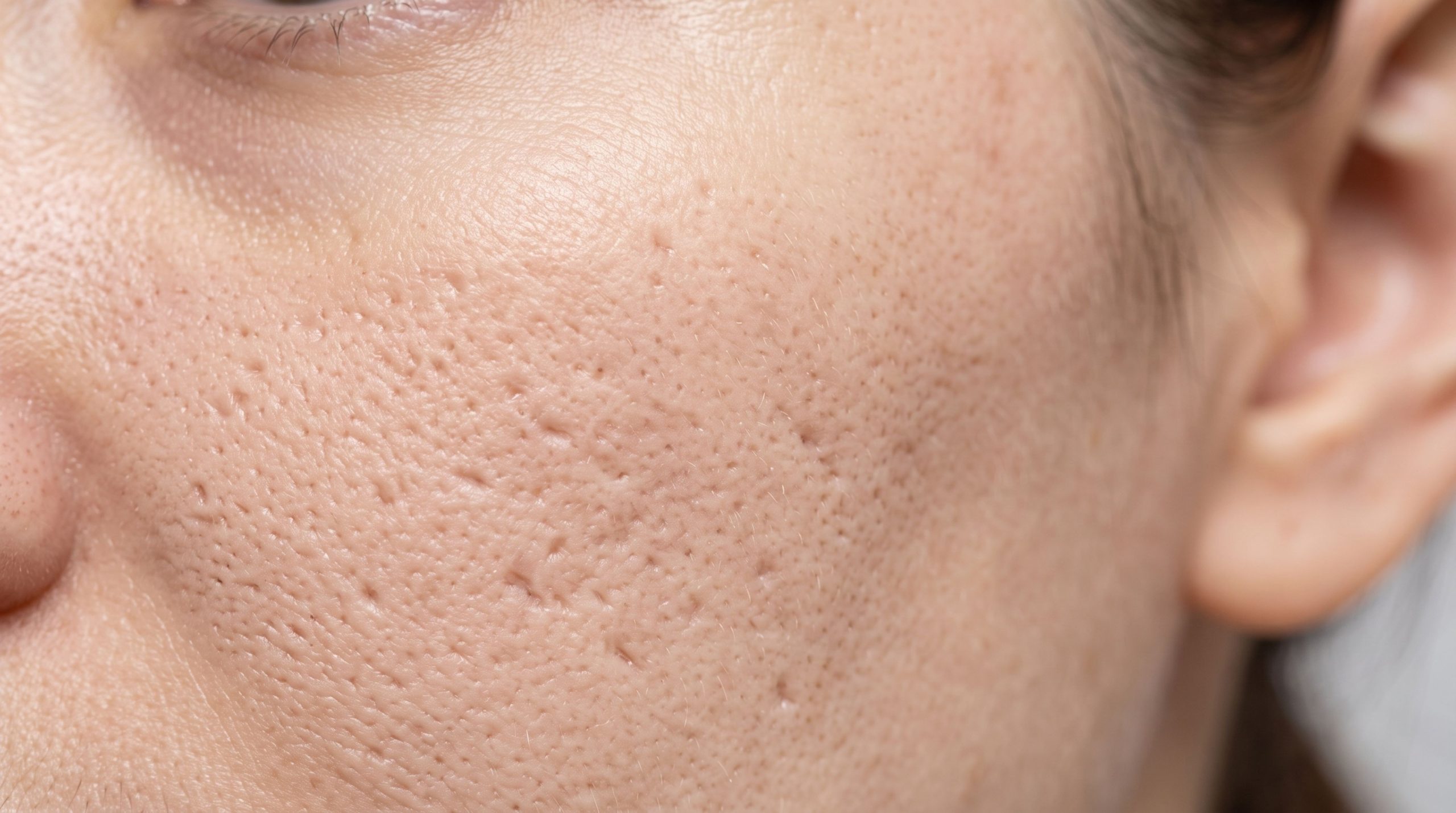
Ice Pick Scars
These are narrow, deep, V-shaped scars that look like small puncture marks in the skin, similar to what you’d expect from a sharp tool. They form when a highly inflamed, infected breakout tracks down into the skin, destroying tissue along a narrow path as it heals. Because they’re so deep and narrow, ice pick scars are often considered one of the more difficult acne scar types to treat with surface-level approaches alone.
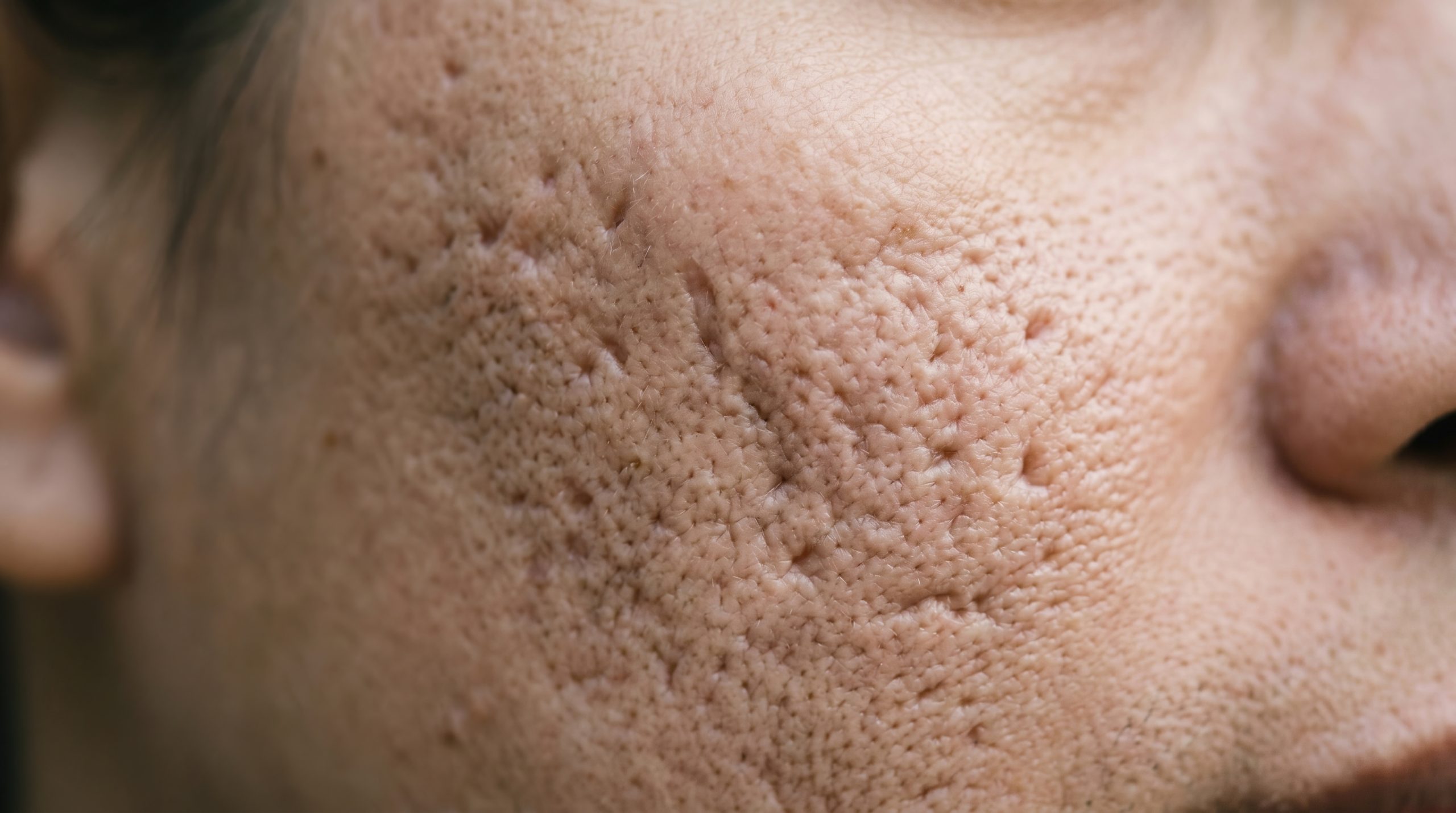
Boxcar Scars
Boxcar scars are round or oval-shaped depressions with well-defined, steep edges — giving them a slightly angular, “punched out” appearance rather than a smooth dip. They form when inflammatory acne causes a loss of tissue across a wider area, but without the deep, narrow channel seen in ice pick scars. Boxcar scars can vary from shallow to quite pronounced, and their sharp edges tend to make them more visible in certain lighting.
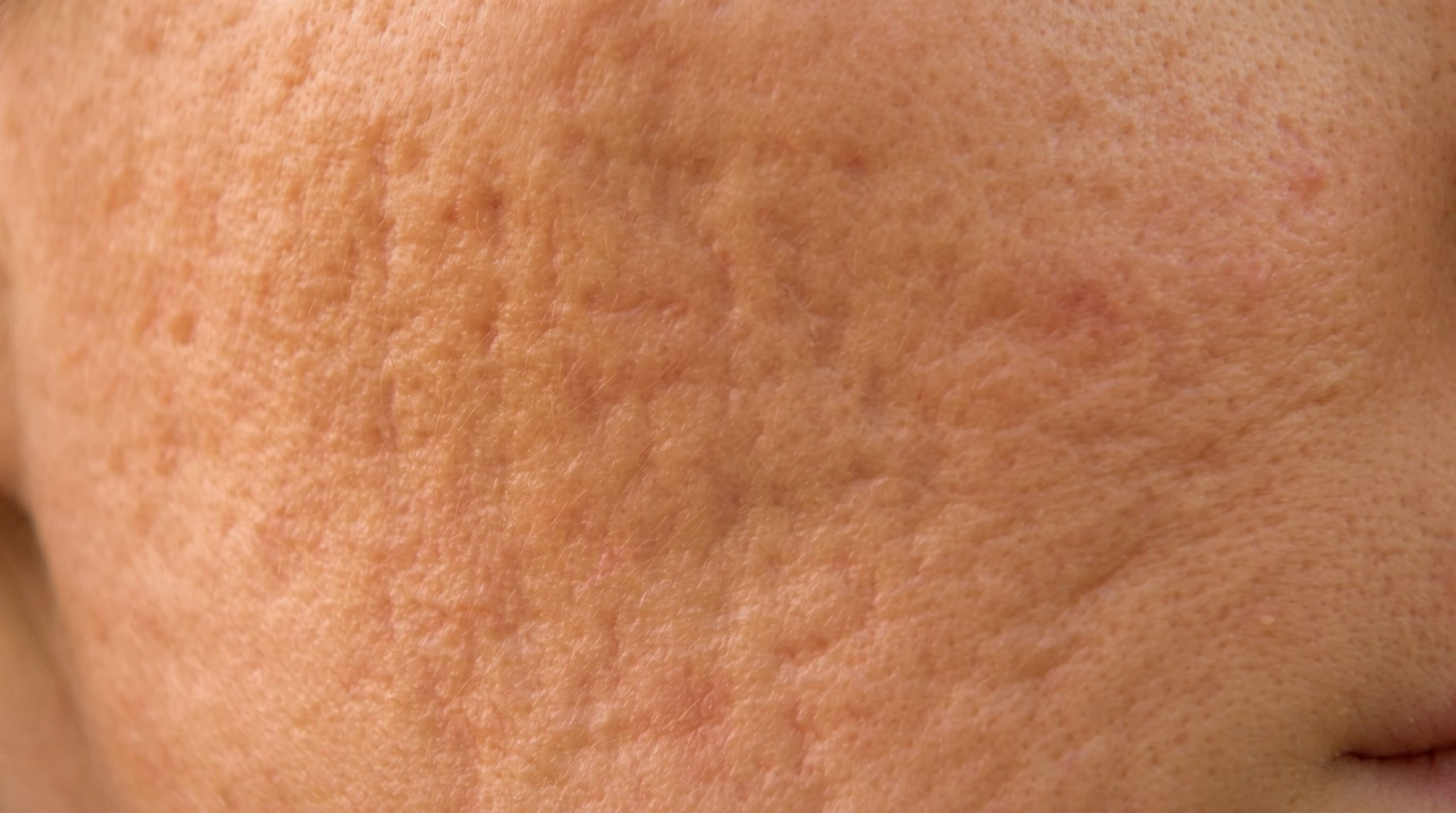
Rolling Scars
Rolling scars create a broad, wave-like unevenness in the skin rather than a sharply defined mark. They happen when fibrous bands of scar tissue form under the skin and pull the surface down at certain points, creating a rolling, hill-and-valley texture. Because the edges are soft and gradual rather than sharp, rolling scars can sometimes be less noticeable at rest but become more visible when the skin moves or stretches.
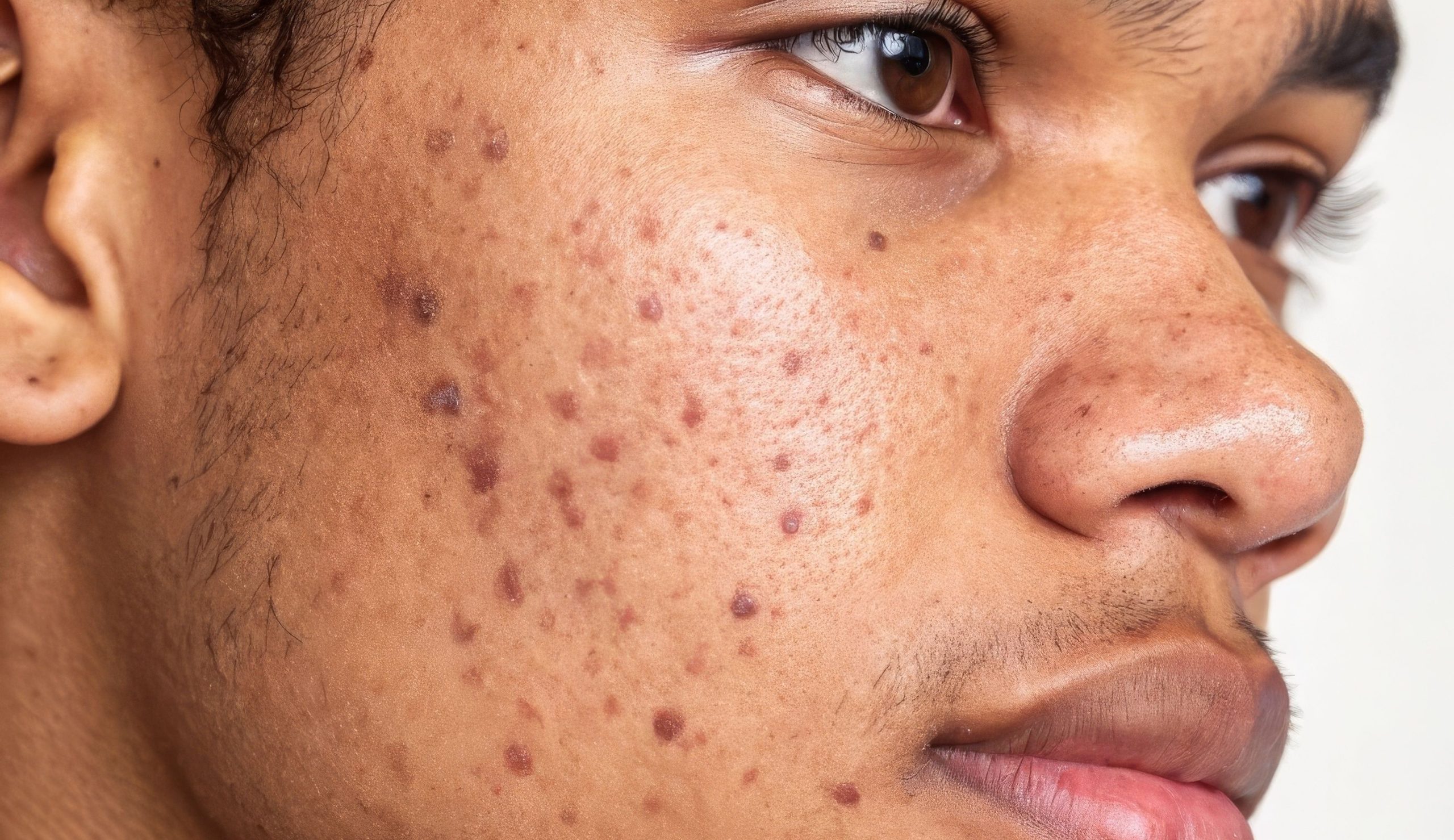
Post-Inflammatory Marks (dark and red marks)
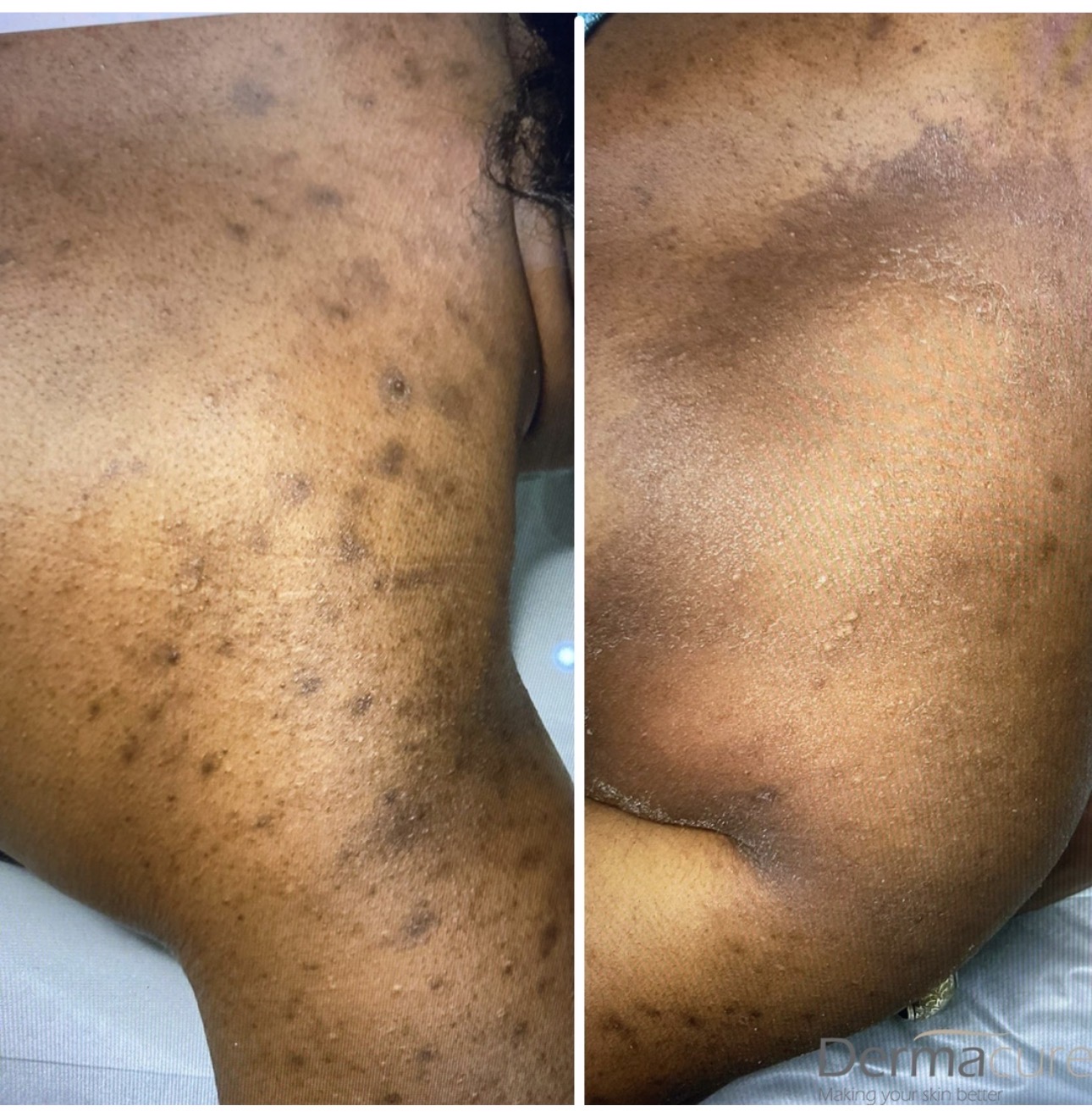
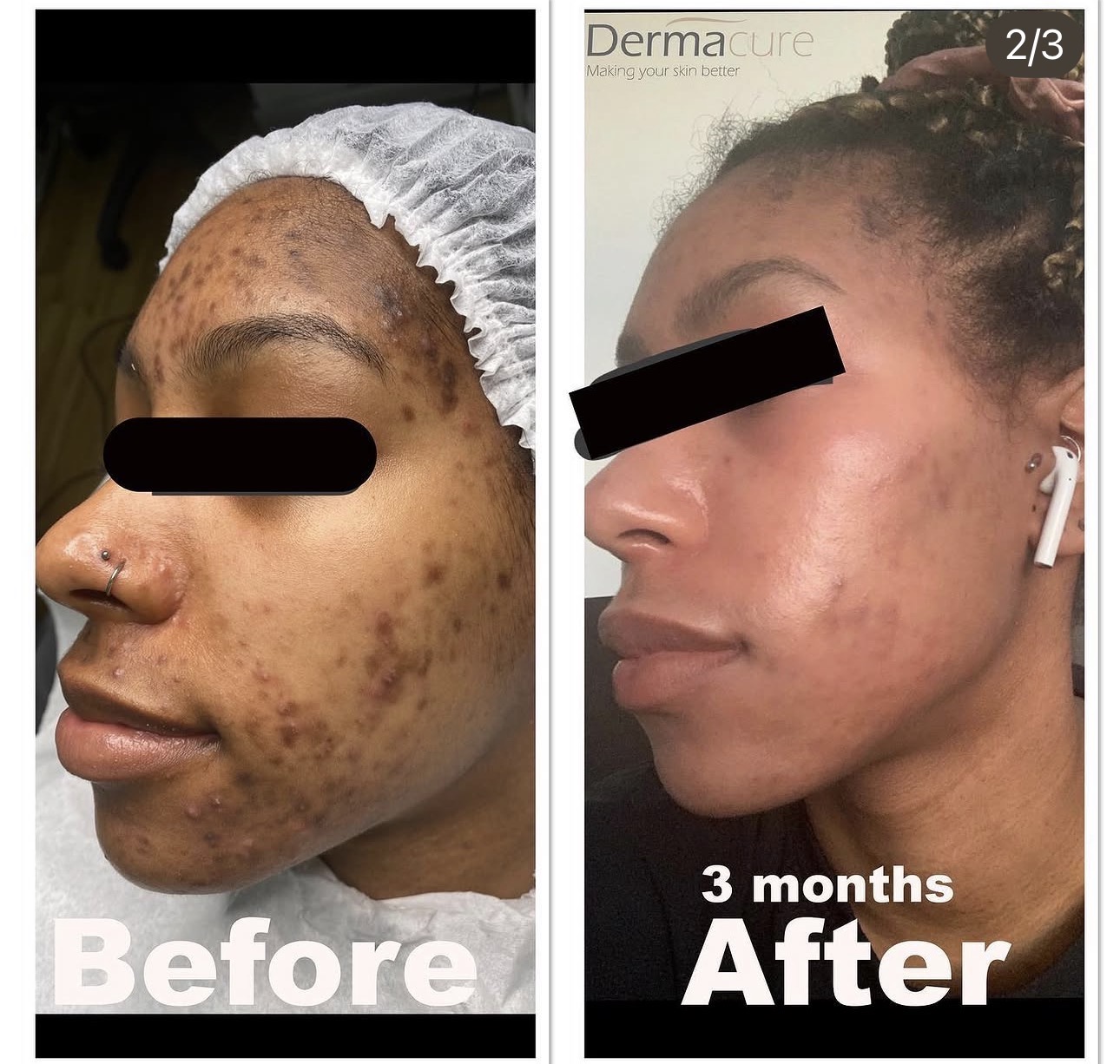
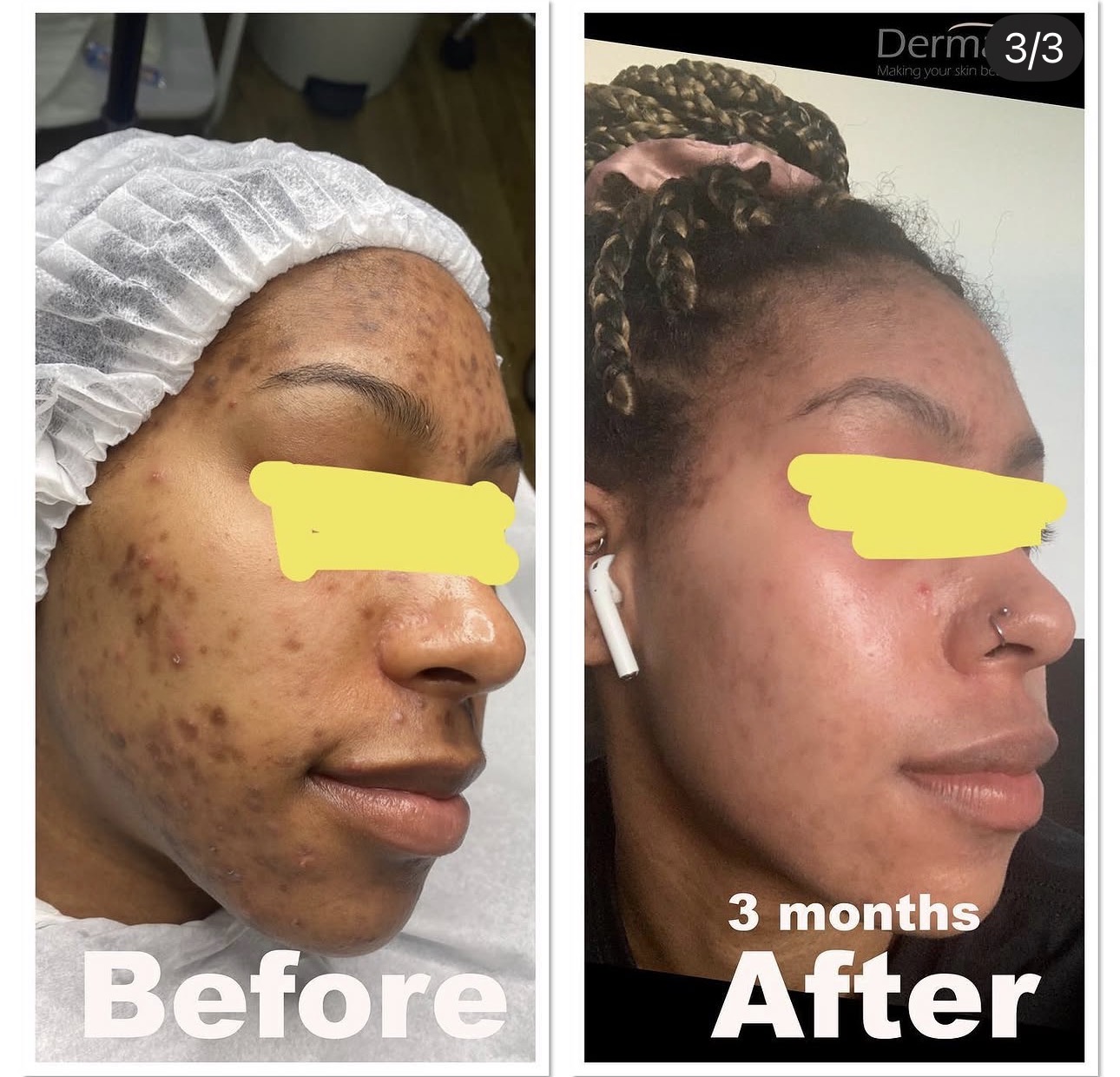
It’s worth distinguishing true acne scars from post-inflammatory hyperpigmentation (dark marks) or post-inflammatory erythema (red or pink marks). These are flat discolourations left behind after a spot heals — they don’t involve a change in skin texture, and unlike true scars, they typically fade on their own over time, though this can take several months. Many people mistake these marks for scarring, when in fact they usually respond well to time and targeted skincare, without needing the intensity of treatment that true acne scarring requires.
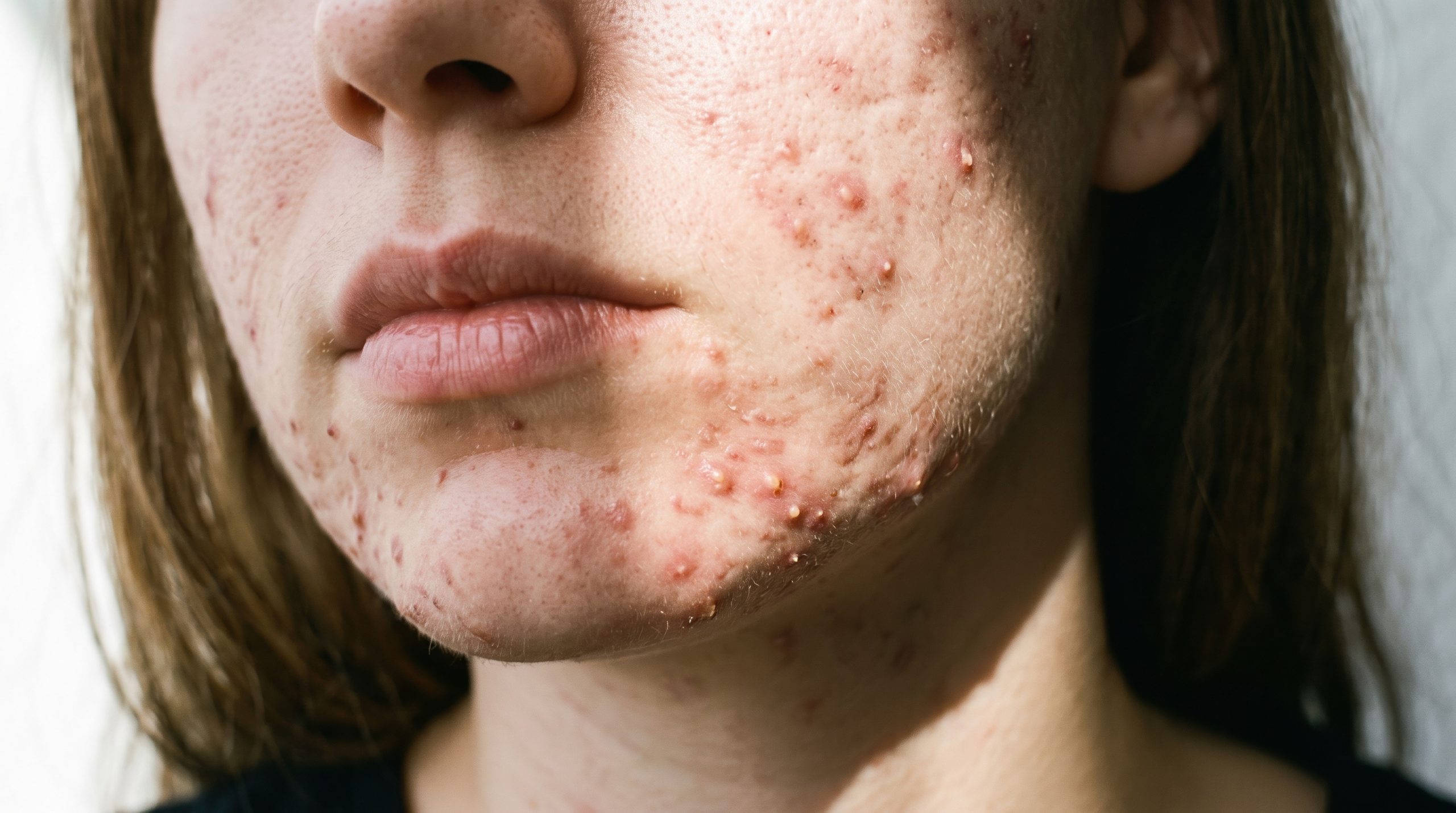
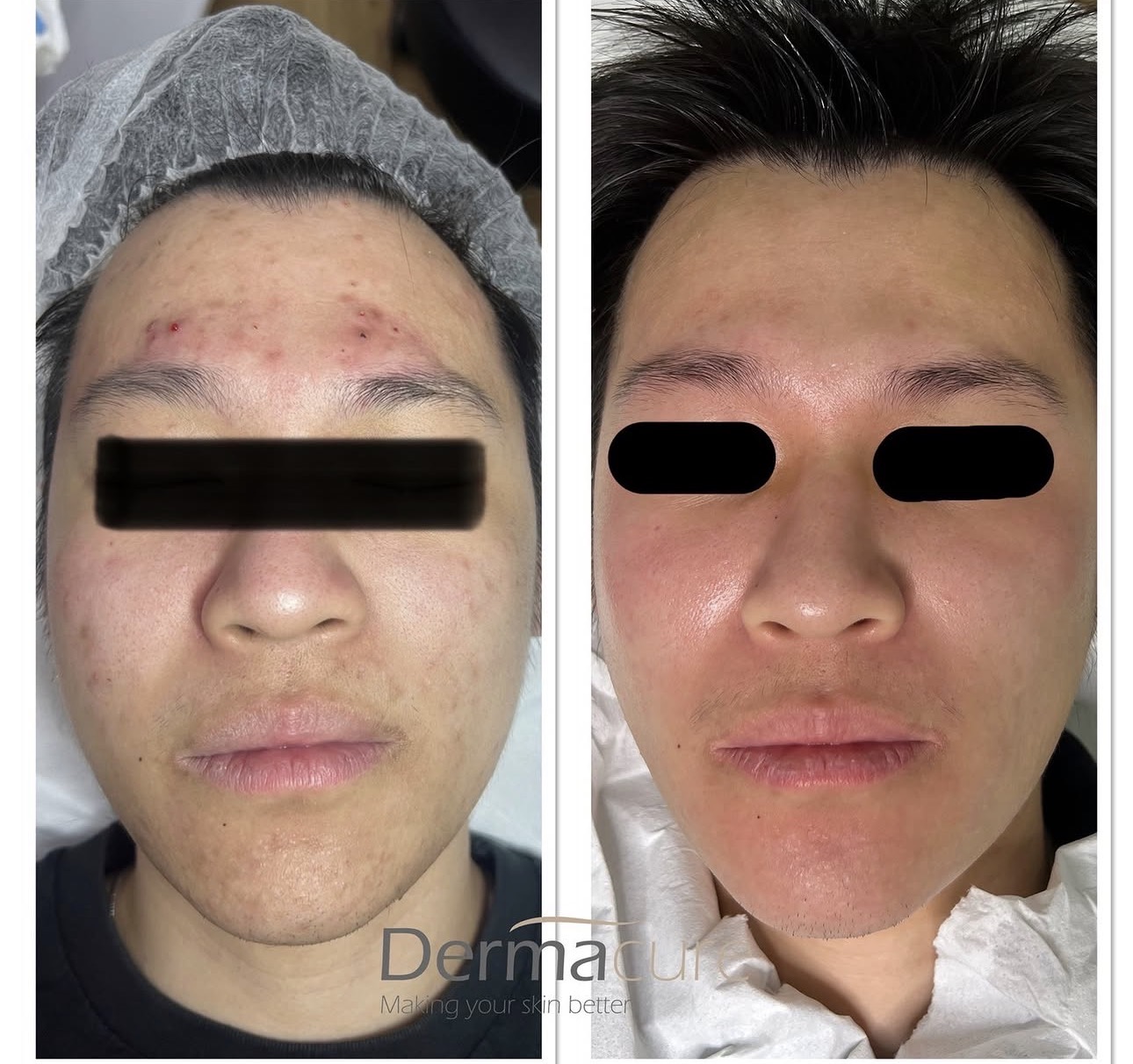
Acne and Acne scars ( combination of congestion white and black heads and Acne scars explained above )
This is the key point for anyone dealing with both concerns at once: ongoing congestion is often what’s fuelling new scarring. Every whitehead or blackhead that becomes inflamed is a fresh opportunity for tissue damage — and if the skin is producing them faster than they’re being treated, existing scars can be joined by new ones before older marks have even had a chance to improve.
Treatments for Acne Scars?
Because acne has so many possible triggers, we don’t move straight to scar treatment. Every new patient starts with a thorough consultation where we discuss:
- What seems to trigger your breakouts
- Whether a hormonal, stress-related, skincare, bacterial, or medication-related cause is most likely
- Whether your acne is currently active or fully settled
Once acne is cleared, we take a thorough, tailored approach to the scarring itself. Depending on the scar type present, we will typically recommend a combination of treatments rather than relying on just one. This might include:
- — from our herbal Green Peel through to deeper, medium-depth peels such as TCA, or other acid combinations, always paired with the right at-home skincare to support results between sessions
- — including microneedling combined with PRP or exosomes, to boost the skin’s own repair response
- — to support overall skin quality and resilience alongside scar-focused treatments
- — used to directly address different scar types, often alongside the treatments above
Because most patients present with more than one scar type, or scarring across different areas of the face or body, we don’t limit treatment to a single approach. Different areas may need different techniques, and treatments are often combined for the best result. We look at your skin as a whole — a genuinely 360-degree approach to tackling the actual underlying condition, not just the marks it’s left behind.
Before and After